

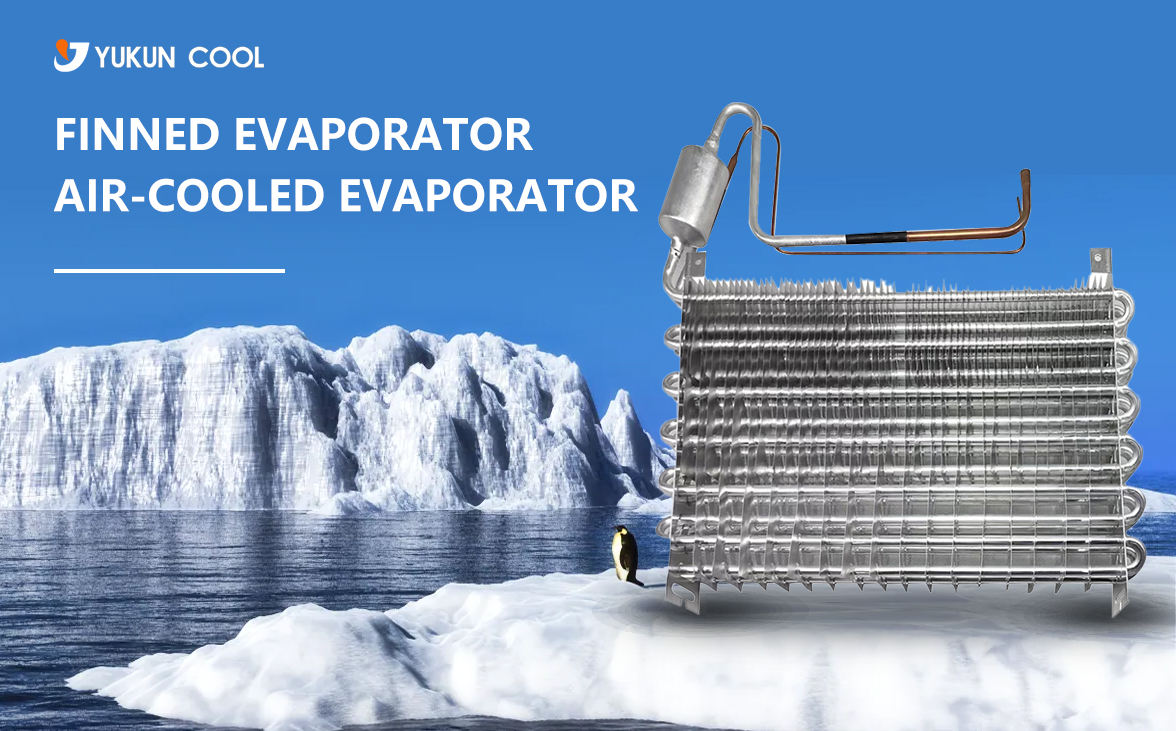
To check if the evaporator in your refrigerator or air conditioner (AC) is frozen, observe physical signs, cooling performance, and operational symptoms. Below is a detailed guide with SEO-friendly keywords for better search engine visibility (e.g., "refrigerator evaporator freezing," "AC evaporator ice formation," "evaporator icing causes," etc.).
1. How to Identify a Frozen Refrigerator Evaporator
1.1 Visual Inspection of the Evaporator
Direct-Cool Refrigerators (common in older models):
The evaporator is usually exposed on the back wall of the freezer or refrigerator compartment. Normally, it has a thin layer of frost (or slight condensation).
Abnormal Freezing Signs: Frost thicker than 5mm, solid ice blocks, or obvious ice layers on the refrigerator’s back wall indicate potential freezing.
Hidden Evaporators: In some models, the evaporator is behind a panel. If the freezer is excessively cold or the refrigerator’s temperature control malfunctions, internal freezing may occur.
Wind-Cooled Refrigerators ("frost-free" models):
The evaporator is behind a freezer compartment panel. A malfunction in the defrost system (e.g., faulty fan or defrost heater) can cause thick ice buildup (not directly visible but indicated by performance issues).
1.2 Poor Cooling Performance
Excessively Cold Freezer: Even after adjusting the thermostat, severe ice buildup may signal a faulty thermostat or a continuously running evaporator without defrosting.
Slow Cooling in Refrigerator Compartment: Frozen evaporators block cold air circulation, leading to inadequate cooling and potential food spoilage.
1.3 Unusual Noises
Direct-cool models may make "clicking" sounds due to ice pressing against pipes.
Wind-cool models may emit "buzzing" noises if the fan is obstructed by ice, or show reduced airflow.
1.4 Contributing Factors
Worn door seals or improper closure, allowing moist air inside.
Frequent door openings or storing high-moisture foods, accelerating frost buildup.
2. How to Identify a Frozen AC Evaporator
The AC evaporator is inside the indoor unit. Normally, it condenses water droplets but should not freeze. Look for these signs:
2.1 Indoor Unit Symptoms
Reduced or No Cold Air: Iced-over evaporators block airflow, causing weak or warm air from the vents and poor cooling.
Condensation or Leaking: Melting ice may lead to water dripping from the unit or excessive dew on the panel.
Manual Inspection (power off first!):
Remove the air filter and check the evaporator. White ice covering the fins (especially between coils) confirms freezing.
2.2 Unusual Sounds
"Rustling" or "banging" noises from the fan hitting ice.
"Whooshing" sounds due to blocked airflow.
2.3 Additional Clues
Abnormal frosting or excessive water leakage from the outdoor unit (caused by disrupted refrigerant circulation).
Some ACs trigger "anti-freeze protection," shutting down and displaying error codes (e.g., "F0," "E4" – refer to the manual).
3. Common Causes and Initial Fixes
Refrigerator Evaporator Freezing
Causes:
Faulty thermostat (constant cooling without shutdown).
Defrost system failure (e.g., broken timer or heating element in wind-cooled models).
Poor door seal or frequent openings introducing moisture.
Incorrect refrigerant levels (too little or too much).
Temporary Solutions:
Unplug direct-cool models to defrost naturally (avoid scraping ice with sharp tools).
Test door seal tightness (use a paper strip – replace if loose).
For recurring issues in wind-cooled models, consult a technician for defrost component repairs.
AC Evaporator Freezing
Causes:
Dirty air filter restricting airflow.
Low refrigerant (freon leak) lowering evaporation pressure.
Faulty indoor fan motor, capacitor, or stuck blades.
Malfunctioning temperature sensor or improper installation (e.g., bent pipes).
Temporary Solutions:
Clean or replace the air filter to improve ventilation.
Turn off the AC for 1–2 hours to let ice melt, then restart and monitor.
For recurring issues, hire a professional to check refrigerant levels, fans, and sensors.
4. SEO-Friendly Tips for Search Engines
Use keywords naturally: "refrigerator evaporator ice buildup," "AC evaporator freezing solutions," "how to fix a frozen evaporator."
Include long-tail phrases: "why is my refrigerator evaporator freezing?" "signs of a frozen AC evaporator."
Keep paragraphs concise and use headers (H2/H3 tags) for better crawlability.
5. Precautions
Safety First: Unplug appliances before inspecting. For ACs, avoid electrical components.
Differentiate Normal Frost vs. Freezing: Light frost in freezers is normal; thick ice is problematic. ACs may condensate but should not ice up.
Seek Professional Help: If issues persist after DIY fixes, contact certified technicians for refrigerant repairs or electrical diagnostics.
By following these steps, you can effectively diagnose evaporator freezing and take appropriate action. For persistent problems, always prioritize professional maintenance to avoid further damage.
